



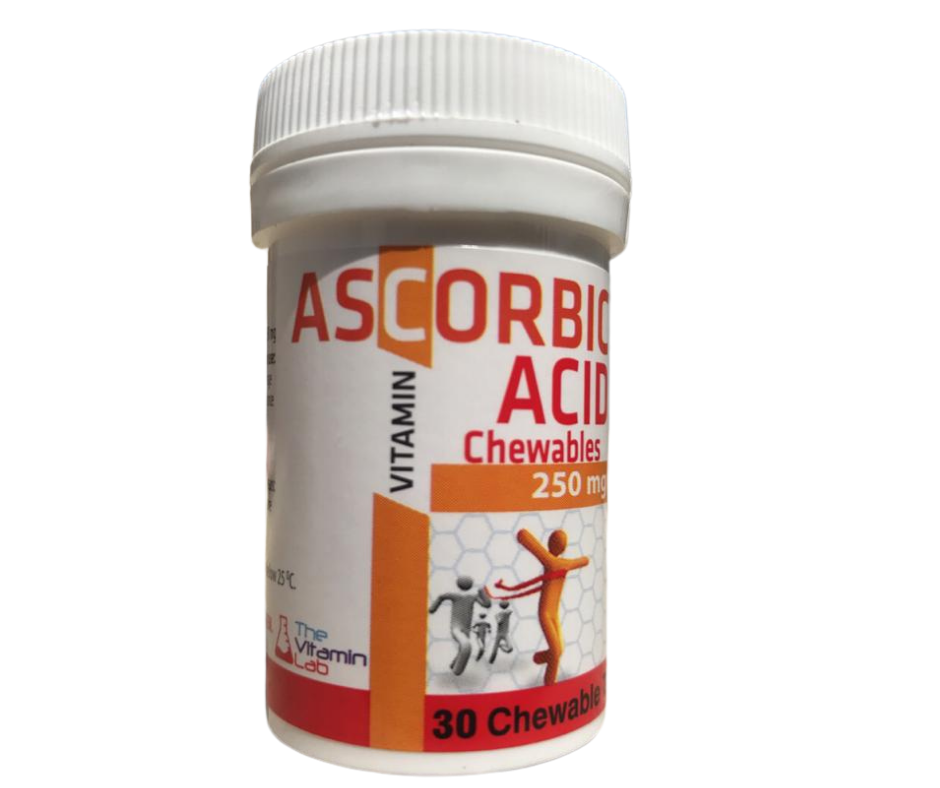
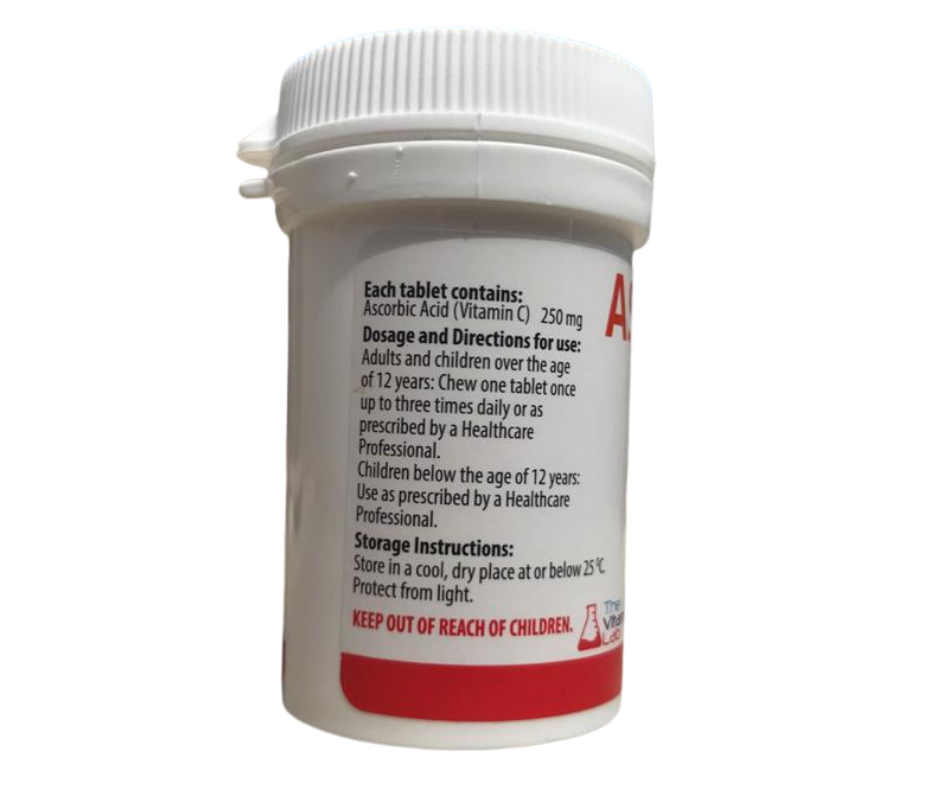
Vitamin C Chewable
Vitamin C, also known as ascorbic acid, is necessary for the growth, development and repair of all body tissues. It’s involved in many body functions, including formation of collagen, absorption of iron, the proper functioning of the immune system, wound healing, and the maintenance of cartilage, bones, and teeth.
- Low levels of red blood cells in people with a long-term illness (anemia of chronic disease). Taking vitamin C supplements by mouth might help manage anemia in people undergoing dialysis.
- Irregular heartbeat (atrial fibrillation). Taking vitamin C by mouth or by IV before and after heart surgery helps prevent irregular heartbeat after heart surgery. IV products can only be given by a healthcare provider.
- Emptying the colon before a colonoscopy. A specific fluid containing vitamin C (MoviPrep, Salix
- Pharmaceuticals, Inc.) has been approved by the FDA for bowel preparation before a colonoscopy. Some bowel preparations involve drinking 4 liters of medicated fluid. If vitamin C is included in the fluid, only 2 liters are needed.
- Common cold. Taking 1-3 grams of vitamin C by mouth might shorten the course of a cold by 1 to 1.5 days. But taking vitamin C does not appear to prevent colds.
- Limb pain that usually occurs after an injury (complex regional pain syndrome). Taking vitamin C by mouth after surgery or injury seems to prevent complex regional pain syndrome from developing.
- Recovery from laser skin therapy. Applying a skin cream containing vitamin C might decrease skin redness after laser skin therapy for scar and wrinkle removal.
- Airway infections caused by exercise. Taking vitamin C by mouth before heavy physical exercise, such as a marathon or army training, might prevent upper airway infections that can occur after heavy exercise.
- High cholesterol. Taking vitamin C by mouth might reduce low-density lipoprotein (LDL or “bad”) cholesterol in people with high cholesterol.
- High blood pressure. Taking vitamin C by mouth might help lower systolic blood pressure (the top number in a blood pressure reading) by a small amount. But it does not seem to lower diastolic pressure (the bottom number).
- Lead poisoning. Consuming vitamin C in the diet seems to lower blood levels of lead.
- Reduced benefit of nitrate therapy that happens when nitrates are used all day (nitrate tolerance). Taking vitamin C by mouth seems to help drugs for chest pain, such as nitroglycerin, to work longer.
- Pain after surgery. Taking vitamin C by mouth or by IV might reduce pain during the first 24 hours after surgery. But it’s unclear if taking vitamin C by mouth can reduce pain during the first 6 weeks after surgery. IV products can only be given by a healthcare provider.
- Wrinkled skin. Applying skin creams containing vitamin C seems to improve the appearance of wrinkled skin. Apply a vitamin C patch also seems to help reduce wrinkles



Reviews
There are no reviews yet.